A thriving workplace is built on respect, appreciation, and positive interactions. One of the simplest yet most impactful ways to increase workplace positivity is by using meaningful and genuine compliments for workplace positivity. Encouraging an environment where employees feel valued enhances morale, boosts productivity, and fosters teamwork. In this article, we will explore why compliments matter, how to use them effectively, and ways they contribute to a more positive workplace culture.
Why Compliments Matter in the Workplace
A well-placed compliment does more than brighten someone’s day—it reinforces positive behaviors, strengthens relationships, and builds confidence. According to research published in Frontiers in Psychology, positive reinforcement in the form of verbal recognition increases motivation and engagement among employees (Frontiers in Psychology, 2020). When employees receive recognition, they feel valued, which leads to higher job satisfaction and retention rates.
Psychological Benefits of Workplace Compliments
- Boosts morale – Employees who feel appreciated are more likely to stay engaged and contribute their best work.
- Encourages productivity – A positive feedback loop is created when employees receive compliments, reinforcing behaviors that drive company success.
- Fosters teamwork – When compliments are freely given, employees support and uplift each other, improving overall team dynamics.
- Reduces stress – Recognition and appreciation help reduce anxiety and workplace tension, creating a more harmonious environment.
- Builds confidence – Employees who receive regular, meaningful compliments are more likely to take initiative and innovate in their roles.
- Improves relationships – A workplace built on appreciation fosters a culture of trust, making collaboration smoother and more effective.
How to Give Effective Compliments for Workplace Positivity
Not all compliments have the same impact. For them to truly increase workplace positivity, they must be genuine, specific, and timely.
-
Be Authentic and Specific
A generic “Good job” may not carry much weight. Instead, be specific about what you’re praising. For example:
- Instead of: “You did great today.”
- Try: “Your presentation today was incredibly clear and engaging. I appreciate the time you put into making complex data easy to understand.”
Specific compliments not only show appreciation but also encourage employees to continue excelling in those particular areas. It gives meaning to the praise, making it feel more valuable and reinforcing positive behaviors.
-
Use Compliments to Reinforce Positive Behaviors
When you acknowledge a positive action, employees are more likely to repeat it. If a team member goes the extra mile to help a colleague, a compliment reinforces that teamwork is valued.
- Example: “I noticed how you stayed late to help finalize that report. That dedication really makes a difference in our team’s success.”
-
Public vs. Private Praise
Understanding when to give a compliment in a public setting versus a private conversation is key. Public recognition can inspire others and reinforce company values, but some employees may feel uncomfortable with attention. Gauge the individual’s preference to ensure the compliment has the desired effect.
Public praise, such as in meetings, newsletters, or bulletin boards, can have a widespread impact and encourage a culture of appreciation. Private praise, such as a one-on-one conversation or a thoughtful email, can have a more personal and meaningful touch.
-
Encourage a Culture of Peer Recognition
Leadership isn’t the only source of workplace positivity. Encouraging peer-to-peer recognition fosters a collaborative atmosphere where employees uplift one another. According to a study by Gallup, workplaces with a culture of appreciation see a 21% increase in profitability (Gallup, 2022).
Creating a Culture of Compliments and Appreciation
A culture that actively encourages compliments ensures long-term workplace positivity. Here are strategies to cultivate this environment:
-
Implement a “Compliment Wall” or Digital Recognition Board
Whether physical or digital, a space dedicated to recognizing employees allows ongoing appreciation. Platforms like Slack or Microsoft Teams can be used for digital shout-outs.
Consider using a board in a common area where team members can write down and share positive feedback about their colleagues. This not only provides ongoing recognition but also encourages a culture where gratitude becomes a part of daily interactions.
-
Lead by Example
Leadership should actively use compliments to model the behavior they want to see throughout the organization. When managers express appreciation regularly, it sets the tone for the workplace.
Employees are more likely to follow suit when they see leadership recognizing hard work and dedication. A leader who takes the time to compliment employees sets a precedent that gratitude and positivity are essential workplace values.
-
Incorporate Recognition into Meetings
Taking a few moments in team meetings to highlight achievements and express appreciation strengthens morale. This also ensures that recognition becomes a natural part of the workplace routine.
gThankYou: A Meaningful Way to Express Appreciation
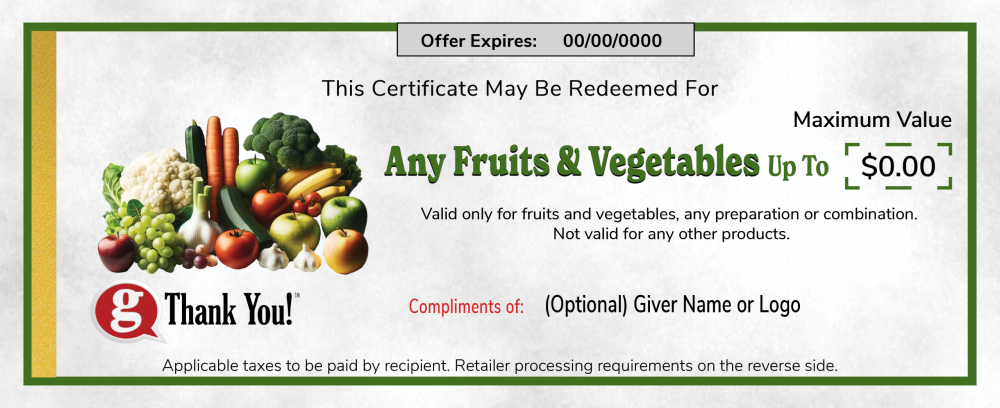
 While verbal recognition is powerful, pairing it with a tangible token of appreciation can elevate its impact. gThankYou Gift Certificates offer an excellent way to extend gratitude in a way that employees can truly enjoy. Whether recognizing an individual’s hard work or rewarding a team’s success, a gThankYou Gift Certificate for groceries, meals, or holiday treats can be a meaningful way to say “thank you.”
In a recent gThankYou blog post, experts highlight how recognition improves employee engagement and retention. They emphasize the importance of making appreciation a regular part of workplace culture rather than an occasional gesture. By integrating compliments with rewards, companies can ensure employees feel valued year-round.
Real-World Example: How a Company Transformed Culture with Compliments
A great example of workplace positivity in action comes from a manufacturing company that implemented a structured compliment initiative. Employees were encouraged to write “thank you” notes or verbalize praise for their colleagues during weekly meetings. After six months, the company saw a 30% increase in employee satisfaction scores and a 20% reduction in turnover rates. Employees reported feeling more connected and appreciated, leading to an overall boost in workplace morale.
Final Thoughts: Start Small, Think Big
Building a positive workplace doesn’t require grand gestures—small, meaningful compliments can create a ripple effect. By making compliments for workplace positivity a regular part of your company culture, you reinforce behaviors that lead to stronger teams, happier employees, and overall business success.
Whether through verbal praise, structured recognition programs, or pairing appreciation with gThankYou Gift Certificates, the key is consistency. Start today by sharing a genuine compliment with a colleague and watch as workplace positivity grows!
Additional Reading:
For more insights on workplace positivity and recognition, check out the latest research in the gThankYou Blog and explore ideas for creating a gratitude-centered workplace culture.
Learn More About Workplace Positivity and gThankYou Certificates:
- Check out our Home Page
- See all our Gift Certificate Choices
- Learn more About gThankYou and FAQs
- See our FREE customizable Gratitude cards
- Reach us at 888-484-1658 or via info@gthankyou.com