

Every spring, something predictable happens in workplaces across the country: output dips, focus wanders, and the energy that powered Q1 starts to dissolve along with the last of the winter frost. It has a name – the spring productivity slump – and the data backs it up.
Research shows that as days get longer and warmer weather arrives, employees become measurably more distracted. Workplace productivity can drop by as much as 20% heading into the summer months, attendance falls by around 19%, and employees report being nearly 45% more distracted during this seasonal stretch. The good news? The spring slump is predictable, which means it’s preventable, or at least manageable. Here’s a practical, research-backed guide to the tools, strategies, and recognition approaches that keep teams focused and motivated through the season.
Why the Spring Slump Happens
Before you can fight something, it helps to understand it. The spring productivity dip isn’t about lazy employees. It’s environmental, biological, and social all at once.
Longer daylight hours disrupt established rhythms. Outdoor activities, youth sports schedules, and spring social commitments compete for attention. And after the focused intensity of Q1 planning and goal-setting, the “in-between” nature of spring — not the urgency of a new year, not the crunch of year-end — creates a natural lull in momentum.
Add to that the fact that 70% of employees say fewer meetings would directly boost their productivity, and that the average worker loses around 54 minutes of productive time per day to environmental friction, and you have a recipe for a slump that compounds quickly if left unaddressed.
Scheduling Strategies That Work With the Season
Fighting the spring season head-on is a losing battle. The smarter approach is to design schedules that work with the natural energy of the time of year rather than against it.
Flexible hours are one of the simplest and most effective tools available to managers. Even a 30-minute window in start or end times lets employees align their work hours with their peak energy — and accommodate the early morning soccer practice or afternoon spring event without sacrificing output.
Meeting-free mornings have become a standard practice at high-performing teams for good reason. Cognitive research consistently shows that focus is highest in the first hours of the workday for most people. Batching meetings to the afternoon, when focus naturally dips anyway, frees up mornings for the work that actually requires concentration.
Short sprint cycles of two weeks with clear milestones create artificial urgency and natural celebration moments. When employees can see the finish line of a sprint, they’re more likely to push through distraction to get there. Sprints also create built-in opportunities for recognition.
Planned outdoor breaks may feel counterintuitive, but the data suggests otherwise. Short breaks, especially outside, reduce restlessness and improve afternoon focus and output. Leaning into the season with a 15-minute outdoor break is more productive than pretending spring isn’t happening.
Culture and Environment: Work With the Season, Not Against It
The spring slump is partly an engagement problem, and engagement is shaped by culture more than any tool or policy.
Reduce meeting overload. Audit your recurring meetings and cancel or shorten the ones with no clear owner or decision. Seven in ten employees say fewer meetings would make them more productive — and research suggests that for every hour in a meeting, employees spend another 30–45 minutes on preparation and follow-up. Cutting one unnecessary recurring meeting per week adds up to hours of focused time over a quarter.
Reconnect teams to purpose. A spring all-hands or team kickoff that ties individual work to company mission can reignite motivation that has drifted since January. Research shows that employees who see clear purpose in their work are measurably more productive and less likely to disengage.
Lean into the season. Team lunches outside, walking one-on-ones, a company steps challenge, or a spring team social event channel the seasonal energy productively instead of fighting it. These touchpoints also build the interpersonal connection that underpins team cohesion.
Use pulse surveys to spot disengagement early, before it becomes a performance issue. Knowing where engagement is slipping lets managers intervene with support rather than correction.
Recognition: Your Most Underutilized Productivity Tool
Here is the truth most productivity guides skip over: the single biggest driver of employee disengagement, and therefore the spring slump, is feeling unvalued. Disengaged employees cost companies approximately 18% of their salary in lost productivity. Recognition is the antidote, and it is chronically underused.
Nearly one-third of employees say they don’t feel valued at work. Only 52% are satisfied with the recognition they receive. And yet recognition is one of the cheapest, fastest, and most effective levers a manager or organization has.
Make recognition specific and timely. “Great job this quarter” lands flat. “The way you handled the Henderson project presentation under pressure this week made a real difference” lands. Specific, timely recognition tied to a concrete behavior is far more motivating than generic praise.
Build peer-to-peer recognition into your culture. Platforms like Bonusly or a dedicated Slack channel (#wins, #shoutouts) let anyone on the team recognize a colleague — not just managers. This matters because managers can’t see everything. Some of the most meaningful contributions happen between peers, and those deserve acknowledgment too.
Tie recognition to milestones. When a team hits a goal, celebrate it. This doesn’t have to be elaborate — a shoutout in a team meeting, a message from leadership, a small reward. The key is consistency: people need to know that effort will be noticed.
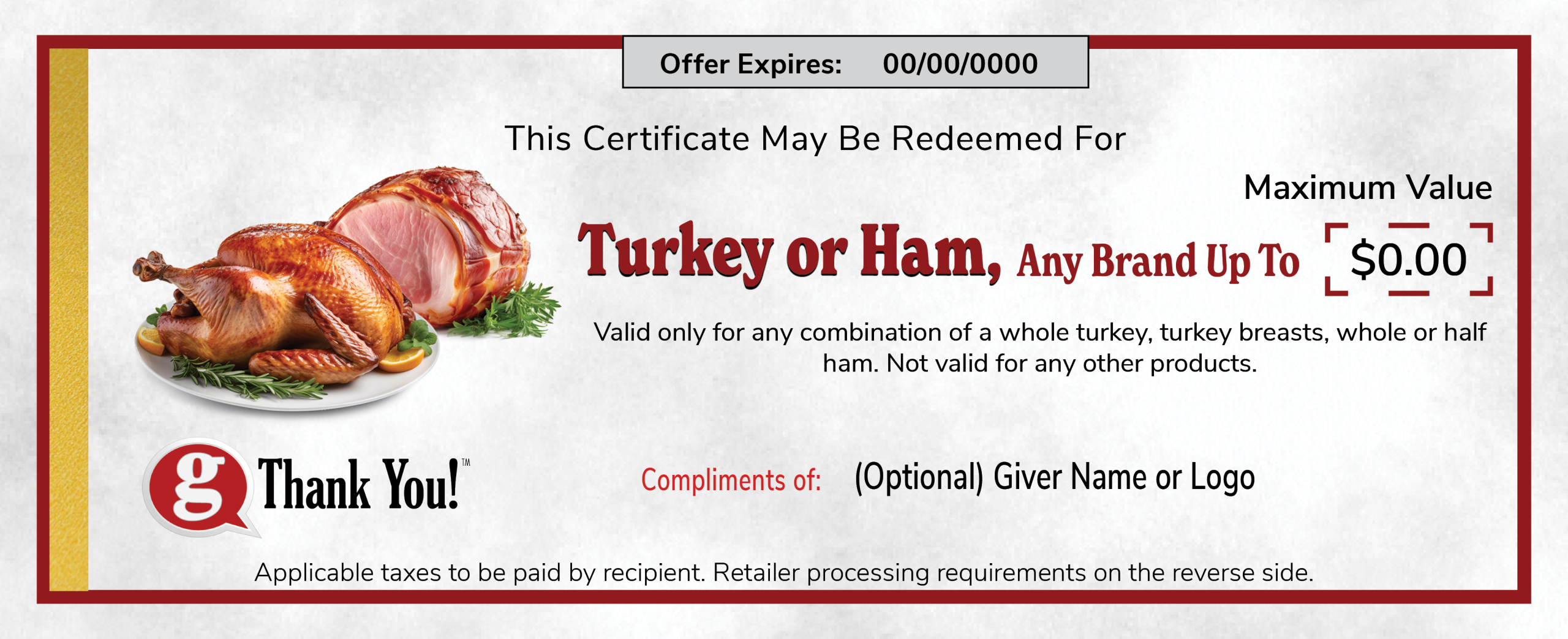
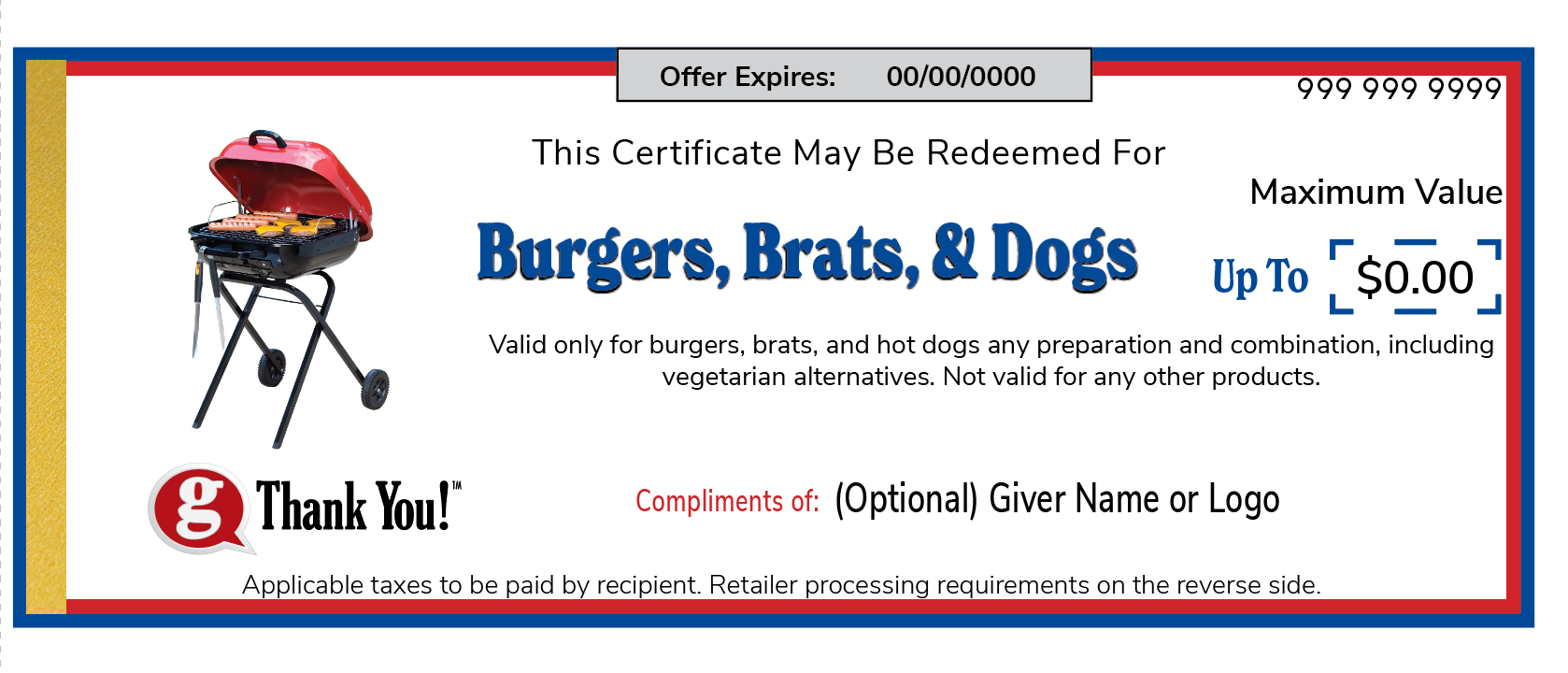
Give tangible recognition that employees actually want. Food is universally appreciated as it’s personal, it’s inclusive, and it signals that you see employees as whole people with lives outside the office. gThankYou Gift Certificates are a particularly effective tool here. Unlike generic gift cards or company swag, gThankYou certificates let employees choose the grocery items, meals, or treats that matter to them — from everyday essentials to something special for their family. Recipients can redeem at virtually any major grocery chain, choosing the brands and products they love.
For spring recognition moments specifically, consider:
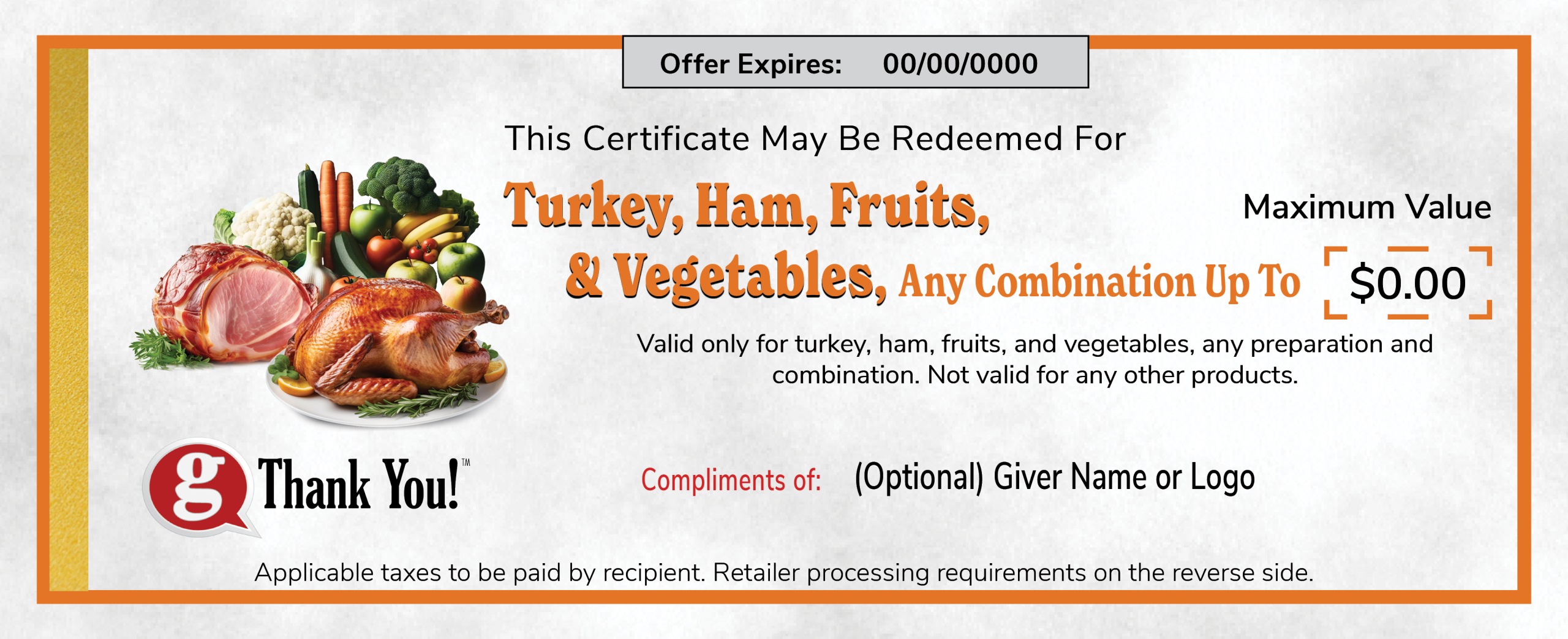
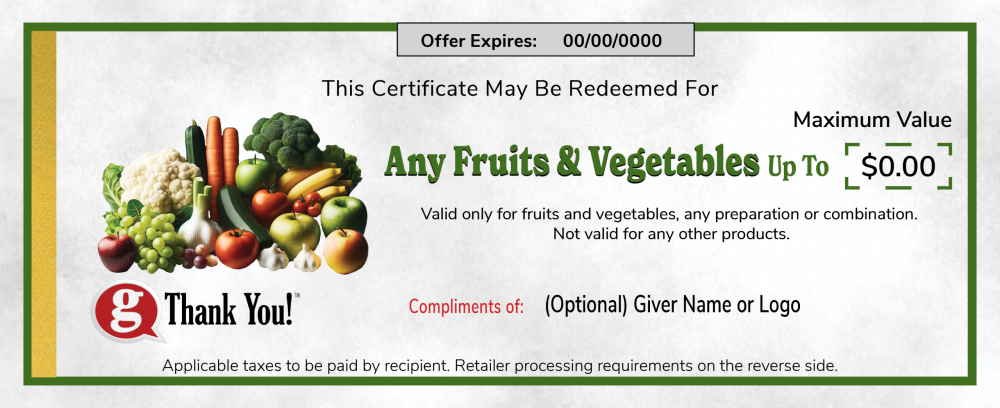
- Fruits and Vegetables Gift Certificates — a seasonally on-brand choice that supports employees who are prioritizing wellness and fresh eating as the weather warms.
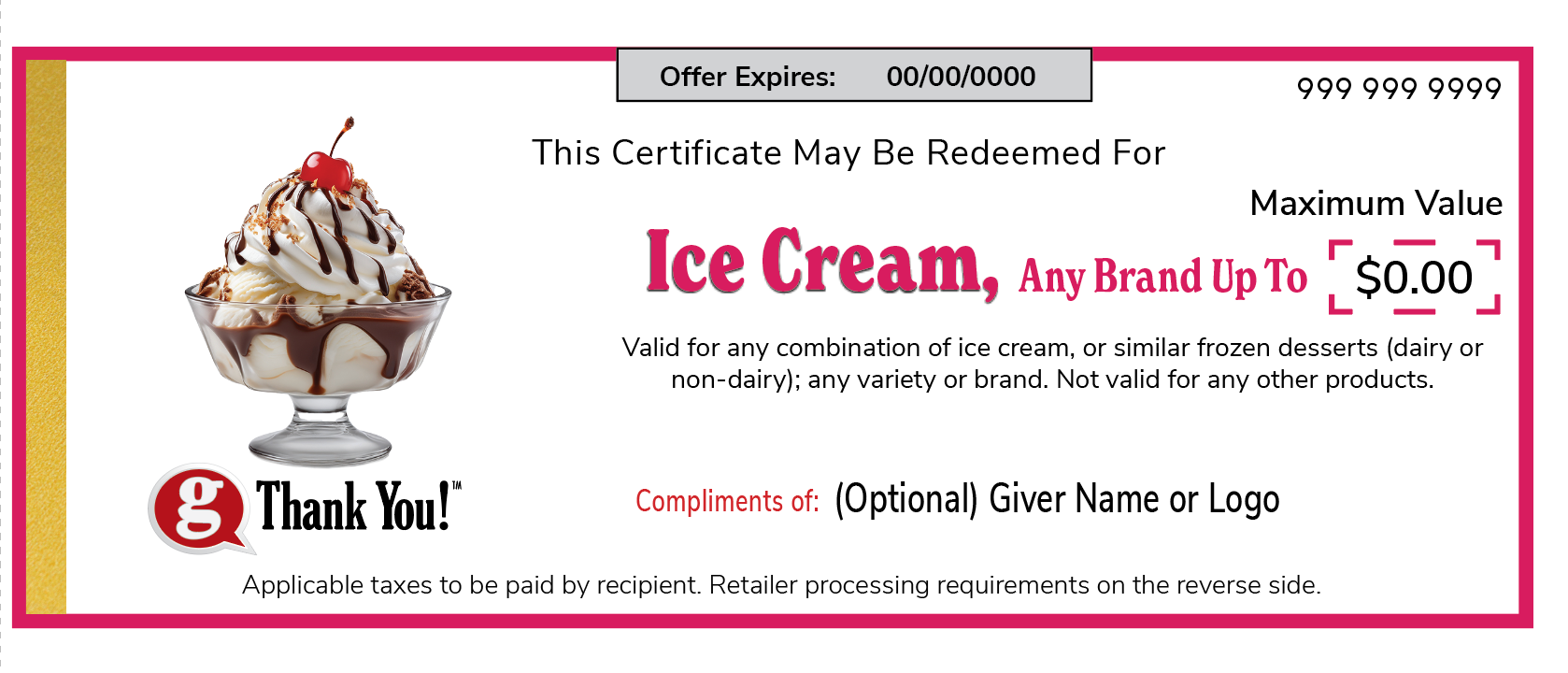
- Ice Cream Gift Certificates — perfect for a fun, lighthearted reward that leans into the season. It’s hard to feel unappreciated when your employer sends you out for ice cream.
- Universal Grocery Vouchers™ — the most flexible option, letting employees shop for whatever they need across all grocery food categories. This is ideal for teams with varied needs and preferences.
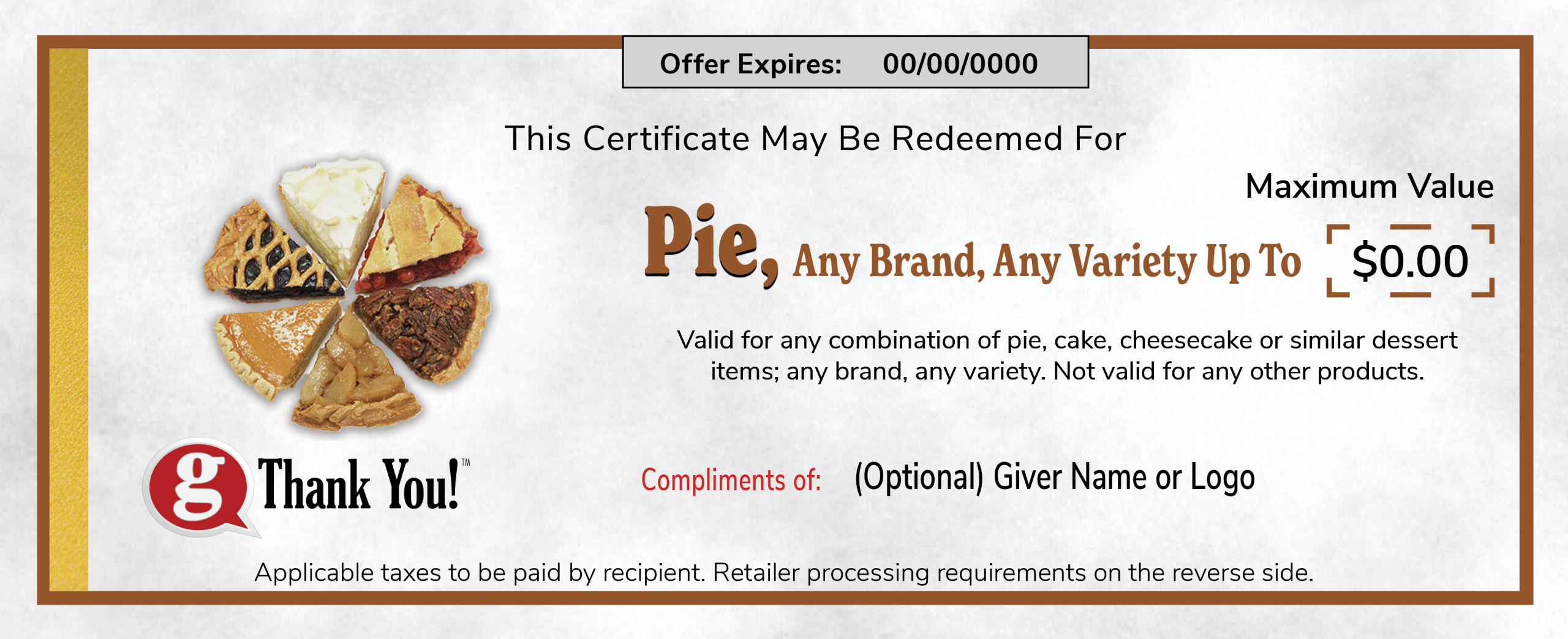
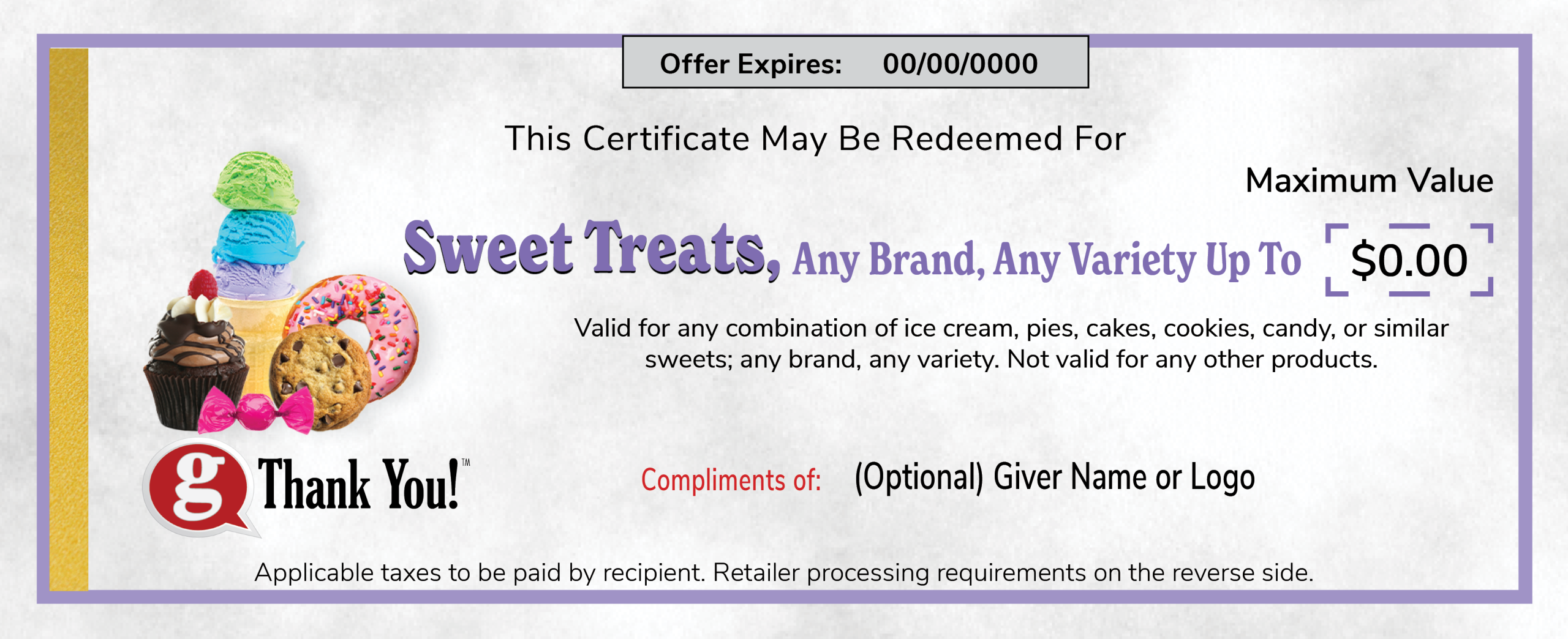
- Sweet Treats Gift Certificates — a crowd-pleasing choice for team-wide recognition moments, end-of-sprint celebrations, or simply brightening someone’s week.
- gUP! Gift Certificates — redeemable across more than 175 brands including grocers, restaurants, and retailers, giving employees maximum flexibility and choice.
What makes gThankYou certificates especially well-suited for workplace recognition is the simplicity of the experience. You choose the certificate type; your employees choose exactly what they want. There’s no guessing, no one-size-fits-all compromise, and no wasted gift. Certificates can even be personalized with your company logo at no extra charge — a small touch that reinforces the “from us, to you” feeling that makes recognition land.
A Simple Spring Recognition Plan
You don’t need a complex program to make recognition work. Here’s a straightforward cadence that any team can implement:
Weekly: A brief “wins” moment at your team meeting or in Slack — one manager shoutout and one open moment for peer recognition. Takes two minutes, pays dividends all week.
Every two weeks: At the end of each sprint, acknowledge the team’s completion with something tangible — a gThankYou certificate for standout contributors, or a team-wide treat like ice cream certificates for a collective win.
Monthly: A written or verbal recognition from leadership that connects individual and team effort to company goals. Keep it specific. Make it visible.
Quarterly: A more substantial recognition moment — a team event, a meaningful gift, or a formal acknowledgment — to mark the close of Q2 and head into summer with momentum.
The Bottom Line
The spring productivity slump is real, it’s predictable, and it doesn’t have to derail your team’s momentum. The organizations that navigate it best aren’t the ones that push harder against the season — they’re the ones that design smart systems, create flexible structures, and invest in the recognition that keeps people feeling seen and motivated.
Recognition isn’t a soft, feel-good afterthought. It’s one of the highest-ROI investments a manager can make. And with tools like gThankYou Gift Certificates, it’s also one of the easiest to execute well.
Ready to build a recognition-forward spring strategy? Browse gThankYou Gift Certificates and find the right fit for your team.