Efficient gift distribution to beneficiaries is a fundamental goal for nonprofit organizations, community groups, and corporate social responsibility initiatives. By streamlining donation processes, organizations can simplify gift distribution to beneficiaries, ensuring resources reach those in need quickly and effectively. Whether distributing food support, financial aid, or other gifts, optimizing these processes enhances the impact of charitable efforts. In this article, we will explore best practices for distributing donations, discuss common challenges, and highlight the role of gThankYou Gift Certificates in making gift distribution to recipients easier and more effective.
Why Streamlining Donation Processes Matters
The process of distributing donations plays a crucial role in addressing food insecurity, providing essential resources, and fostering community well-being. When donation processes are inefficient, it can lead to wasted resources, delayed aid, and beneficiary frustration. Streamlining donation processes offers several key benefits:
- Efficiency: Minimizing logistical challenges reduces delays in getting donations to those who need them.
- Transparency: Well-documented and streamlined processes improve trust between donors, organizations, and recipients.
- Scalability: Organizations can reach more beneficiaries with fewer administrative burdens.
- Sustainability: Reducing waste and optimizing resources enhances the long-term effectiveness of charitable programs.
Key Strategies for Simplifying Gift Distribution to Beneficiaries
- Leveraging Technology for Efficient Distribution
Incorporating technology into donation management ensures smooth tracking, distribution, and reporting of donations. Software solutions such as inventory management systems, digital donation tracking platforms, and automated reporting tools enable nonprofits to efficiently manage their resources.
For example, platforms like CauseVox offer tools to help nonprofits track donations and manage donor engagement. By implementing digital solutions, organizations can reduce administrative overhead and improve accountability in gift distribution to recipients.
- Partnering with Local Businesses and Organizations
Collaboration with local businesses, grocery stores, and community centers is a powerful way to enhance donation distribution. Working with established partners ensures that resources are easily accessible to recipients without the need for extensive storage or transportation logistics.
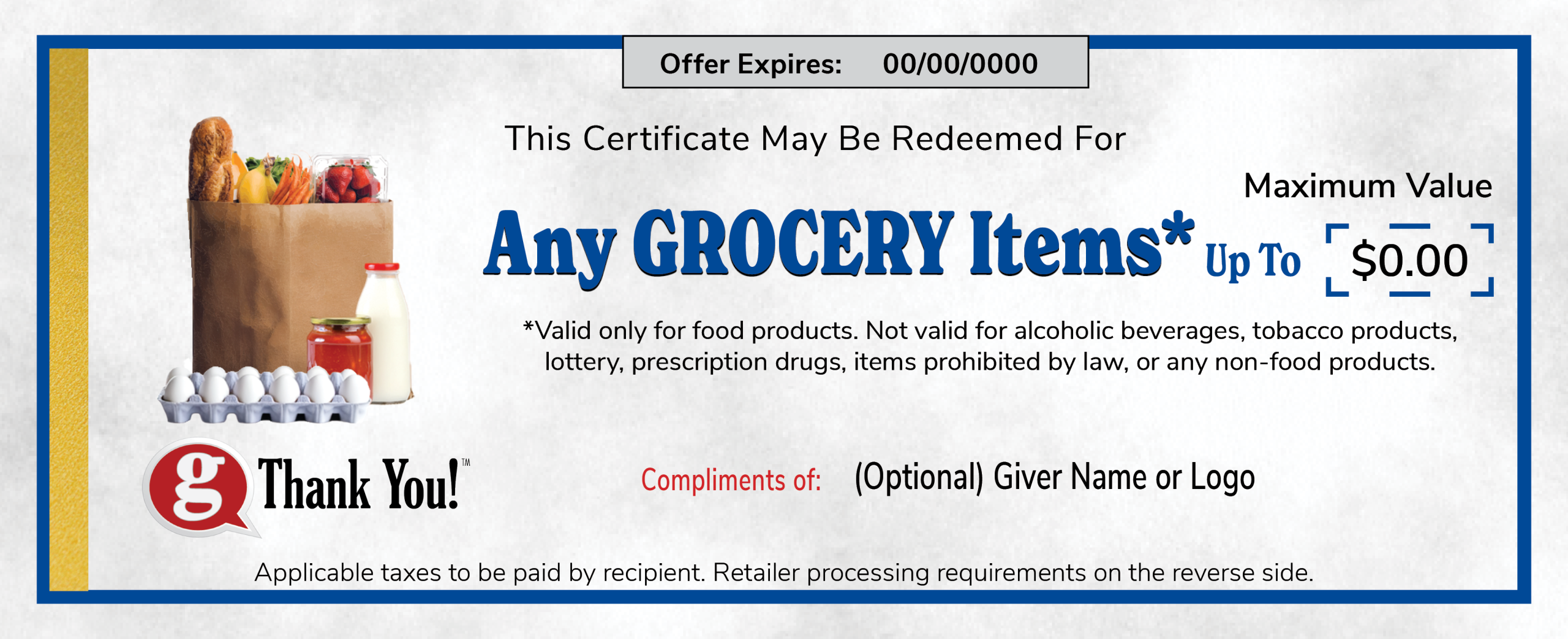
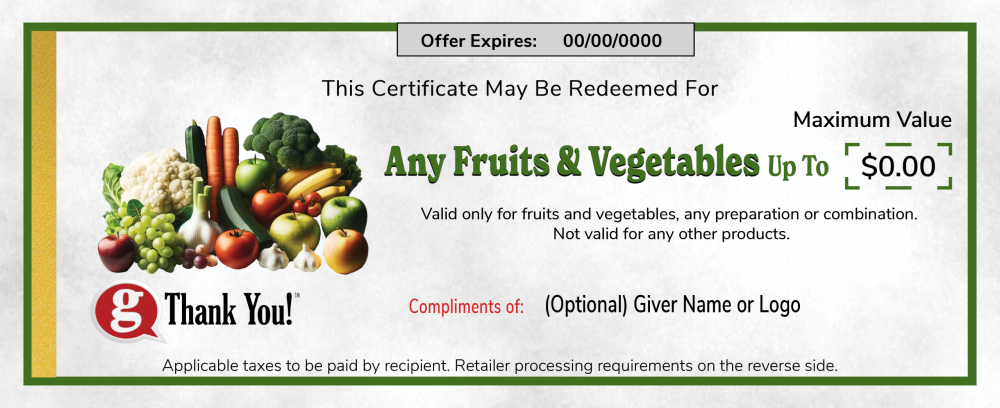
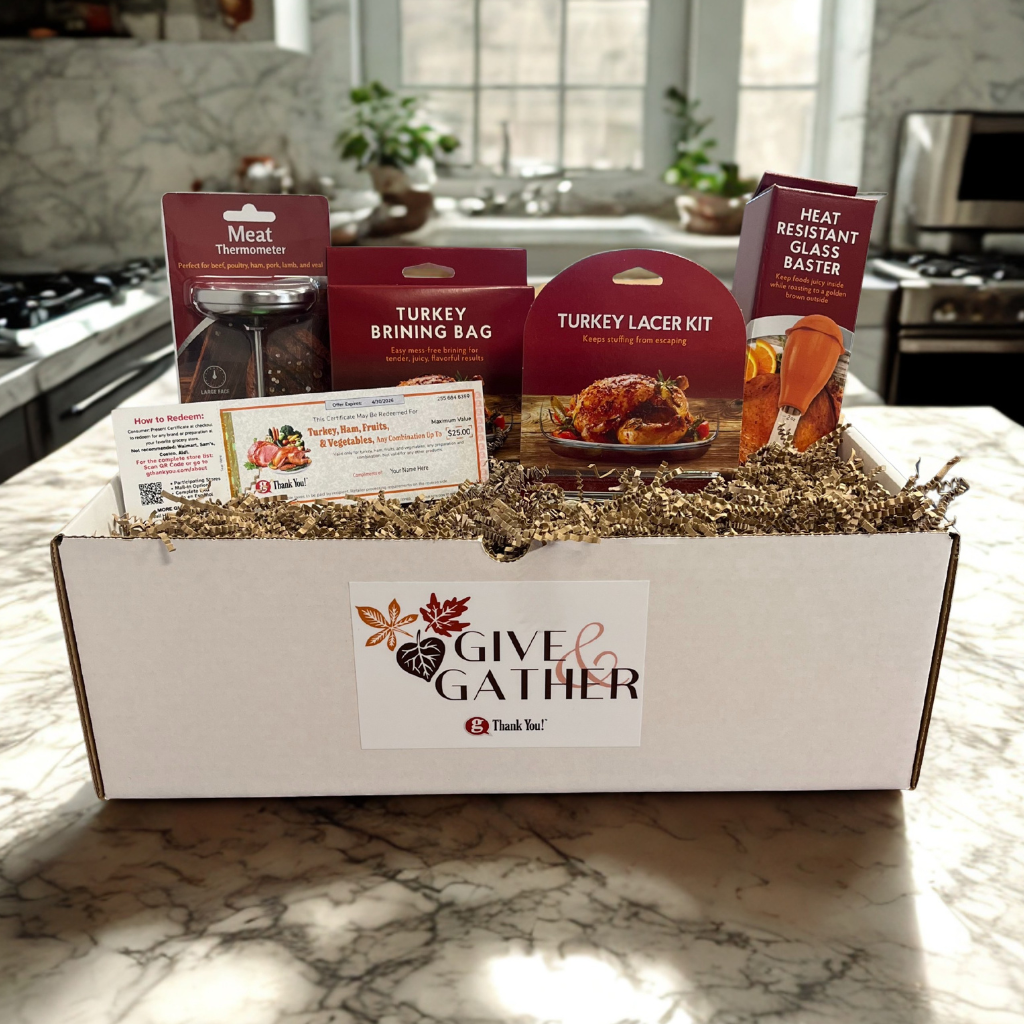
For instance, gThankYou Gift Certificates provide an excellent solution for distributing food support. These certificates allow recipients to purchase fresh food at major grocery chains and independent stores, ensuring they receive high-quality, nutritious items. Instead of dealing with logistical challenges of bulk food distribution, organizations can provide recipients with a convenient and flexible way to access what they need.
- Adopting Mobile Distribution Solutions
Mobile donation distribution centers or pop-up food banks can improve accessibility for beneficiaries who may have difficulty reaching fixed locations. This strategy is particularly effective for disaster relief efforts and communities with limited transportation options.
According to StorSquare, utilizing portable storage solutions allows organizations to efficiently transport and organize donations, making it easier to reach recipients in underserved areas.
- Enhancing Recipient Choice and Dignity
A crucial aspect of effective gift distribution to beneficiaries is ensuring that recipients have autonomy over the support they receive. Providing choices helps maintain dignity and ensures that donations align with individual needs.
For example, gThankYou Gift Certificates enable recipients to select food items that best suit their dietary preferences and family requirements. This flexibility ensures that donations are useful and appreciated, rather than one-size-fits-all packages that may not meet specific needs.
- Implementing Clear Communication and Outreach Strategies
Organizations should prioritize clear communication to ensure that beneficiaries understand how and where to access donations. Key methods include:
- Multilingual communication for diverse communities
- Social media and email campaigns for real-time updates
- Partnerships with local media to spread awareness
A study by Funds for NGOs highlights that streamlined donor communication enhances engagement and participation, ensuring that recipients receive timely support.
Common Challenges in Distributing Donations and How to Overcome Them
Despite best efforts, organizations often face challenges when distributing donations. Here are some common obstacles and solutions:
- Logistical Complexities
Challenge: Transporting and storing large volumes of donations can be difficult, particularly for perishable items.
Solution: Partner with grocery stores and local markets to enable direct purchases by recipients through tools like gThankYou Gift Certificates, eliminating the need for storage and complex distribution networks.
- Mismatched Donations
Challenge: Sometimes, donated items do not align with recipient needs, leading to waste.
Solution: Conduct recipient surveys to understand specific needs before organizing donation drives. Providing flexible gift certificates, such as those offered by gThankYou, ensures recipients get what they actually need.
- Lack of Awareness Among Recipients
Challenge: Some beneficiaries may not be aware of available donation programs.
Solution: Strengthen outreach efforts through local organizations, social media, and flyers in high-traffic areas like schools, churches, and community centers.
Case Study: The Impact of Flexible Food Support
A Midwest-based nonprofit dedicated to reducing food insecurity faced significant challenges in distributing food support due to logistical constraints. Traditional food donation programs often resulted in wasted perishables and mismatched food preferences.
To address this, the organization introduced gThankYou Grocery Gift Certificates, allowing recipients to purchase fresh produce, dairy, and protein from local grocery stores. The result was a more dignified and effective food assistance program that improved recipient satisfaction and reduced administrative burdens. Feedback from recipients highlighted the importance of being able to choose food that fit their dietary needs and cooking habits.
Best Practices for Sustainable and Scalable Donation Distribution
To ensure ongoing success in distributing donations, organizations should adopt these best practices:
- Measure and Analyze Impact: Regularly assess donation distribution effectiveness through recipient feedback and performance metrics.
- Encourage Donor Engagement: Keep donors informed about how their contributions are making a difference, increasing long-term support.
- Optimize Inventory Management: Utilize digital tracking systems to prevent shortages and surpluses.
- Prioritize Flexible Giving Options: Tools like gThankYou Gift Certificates simplify the donation process while maximizing recipient benefit.
Streamlining donation processes is essential for effective gift distribution to beneficiaries. By leveraging technology, fostering partnerships, and providing flexible support options such as gThankYou Gift Certificates, organizations can ensure their aid efforts are impactful, dignified, and sustainable. As nonprofit and corporate giving initiatives evolve, embracing these strategies will enhance the effectiveness of distributing food support and other essential resources to those in need.
Want to learn more about gift distribution to beneficiaries?
- Check out our Nonprofits page
- Browse all our Gift Certificate Choices
- Read more About gThankYou and FAQs
- See our FREE customizable Gratitude Cards
- Reach us at 888-484-1658 or info@gthankyou.com