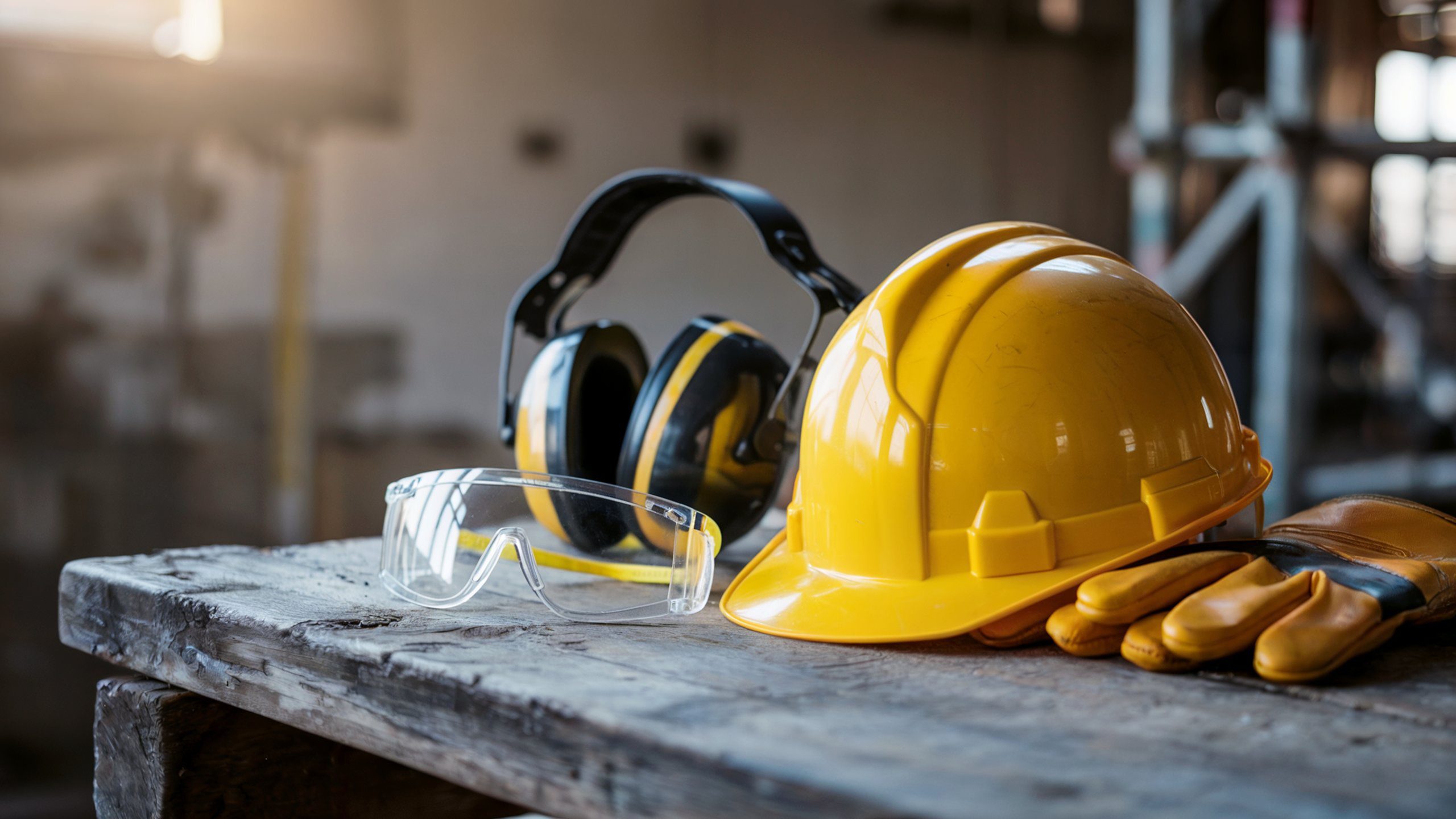
Even when you think you’re doing all you can to encourage safety in your workplace, the universe has a tendency to give you feedback. We know that an overhaul to a safety program can keep your company in compliance with ever-changing regulations, but a focus on safety has also been shown to increase employee productivity and save costs related to reduced time due to injuries and illness.
Signs Your Safety Program is Out of Date
You may think your safety program is up-to-snuff simply because you have graduated from an Excel spreadsheet or paper logs. The safety programs of today are more sophisticated than ever, and for good reason! The health and safety of employees should be priority one for all employers. What are some signs that your safety measures may be out of date?
- Incidents
The most obvious sign that you need to review your safety program is an increase in frequency or severity of incidents. Everyone hopes that a program be improved before injuries occur, but sadly, that is not always the case.
Make sure you are counting incidents in a consistent fashion and that you are including near misses as well as actual failings. You needn’t wait for a full-blown emergency to happen before you realize a negative trend in safety. If you catch it early, you are signaling to your employees that safety and their health and wellbeing is important. If you wait until a severe accident occurs before you address safety concerns, you may be signaling that safety is important only after you have an event that impacts the company. - Management Isn’t Involved
Nothing says safety isn’t a priority like when the management team is absent from the program. Making sure everyone, including the leaders of an organization is involved in the administration and compliance of a safety program is important. When the management team isn’t involved in safety and is also making decisions that prioritize profits or lean operations at the expense of safety, a true vacuum is created.
When management is involved in safety, they can provide a valuable link between safety concerns and resources. Management can listen for deficiencies and be prepared to supply equipment, training or policy changes to address issues. If employees feel that their concerns or suggestions are not being heard, a disregard for the program comes swiftly. Make sure that employees know that finishing the day and going home safely is the way you do business. Assure them that you will work with them to find and fix any hazards that could injure them or make them sick. - Safety Meetings Devolve into Complaint Sessions
Of course, it is important that employees feel heard during safety meetings. However, if the meetings are all objections and grumbling with little in the way of success stories or real follow up actions, all participants are likely to get tired of the program. Corrective actions are not meant to address specific worker behaviors but should focus on the root cause of safety issues in the first place.
Ways to Upgrade Your Safety Program
- Consider a Safety Audit
This can be done internally, or you can hire a consultant to review your program. Either way, a thorough review of the programs should include gaps in training, equipment and policies. - Provide Training and a System for Reporting Deviations
Develop and communicate a simple program for workers to report any injuries or incidents (including near misses/close calls), hazards, or safety and health concerns, without fear of retaliation. This may include an option for reporting hazards or concerns anonymously. - Get Everyone Engaged
Employee engagement is crucial for a successful safety program. Studies show that employers within the top quartile of engagement demonstrate 70% fewer incidences than those at the bottom quartile. Engaged employees create a happier, more involved and safer workplace. That includes everyone within the organization from temporary workers to the top levels of the management team. - Reward and Promote Good Behaviors
Encouraging safety actions can be tricky but it goes hand-in-hand with engagement. Try providing employees with ways to report potential dangers before they become concerning. By focusing on actions taken as opposed to incidents that have occurred, you set a mindset of proactivity.
Make sure that you don’t reward employees, teams, or job functions that experience the lowest rates of incidents because that causes underreporting and undermines the culture of safety that you are trying to create.
Rewards can include praise and recognition or something more tangible like gift certificates or bonuses. Best practices include some combination or rewards and recognition.
While you may be safety compliant, there are benefits to reviewing and upgrading your program. Start by creating safer work processes that support improved productivity, compliance will usually follow as a result. An involved workforce will react positively to an open and supportive work climate enhancing employee involvement in their work practices, which build trust and respect. Remember, complacency isn’t a good option.